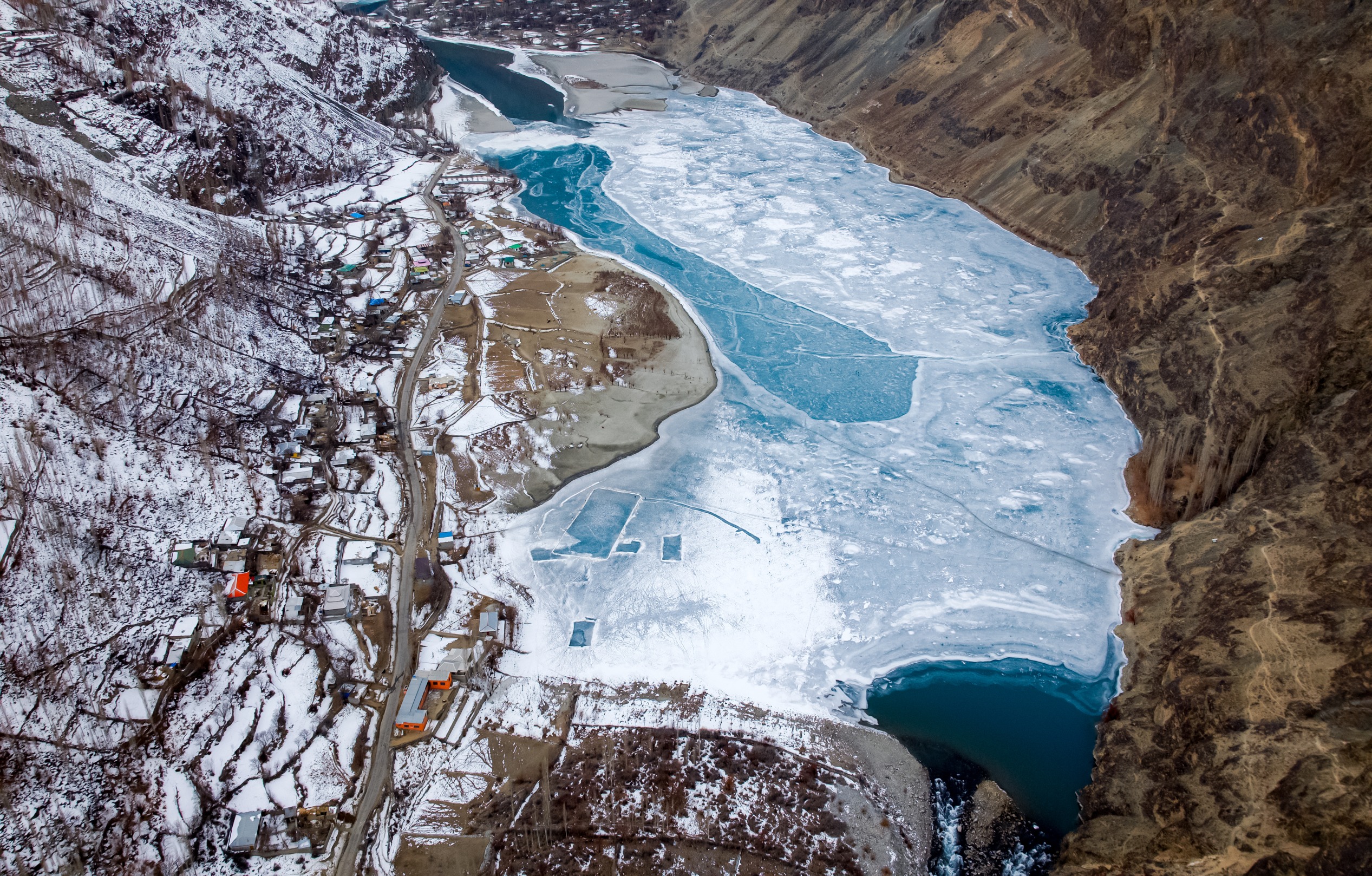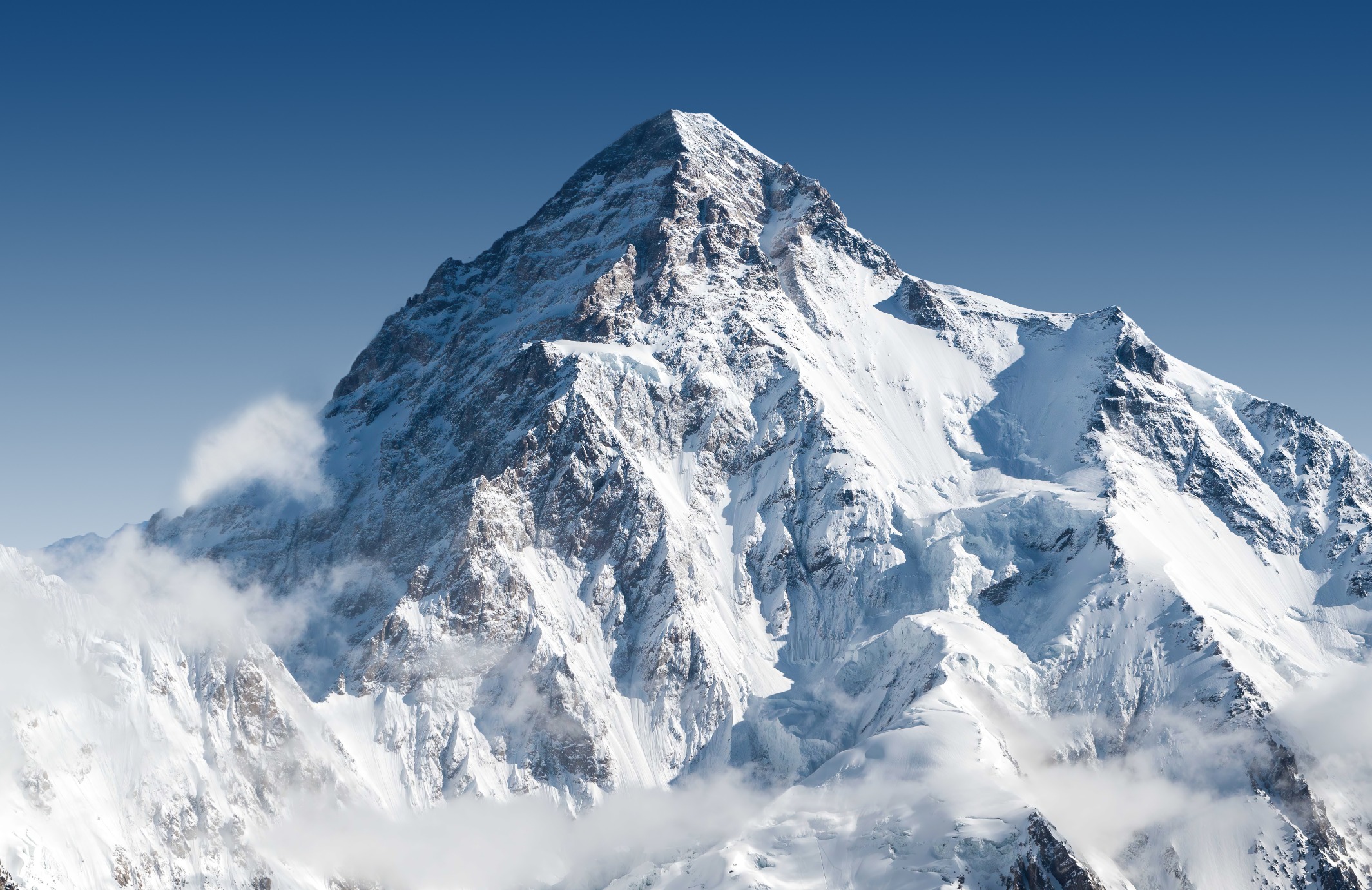
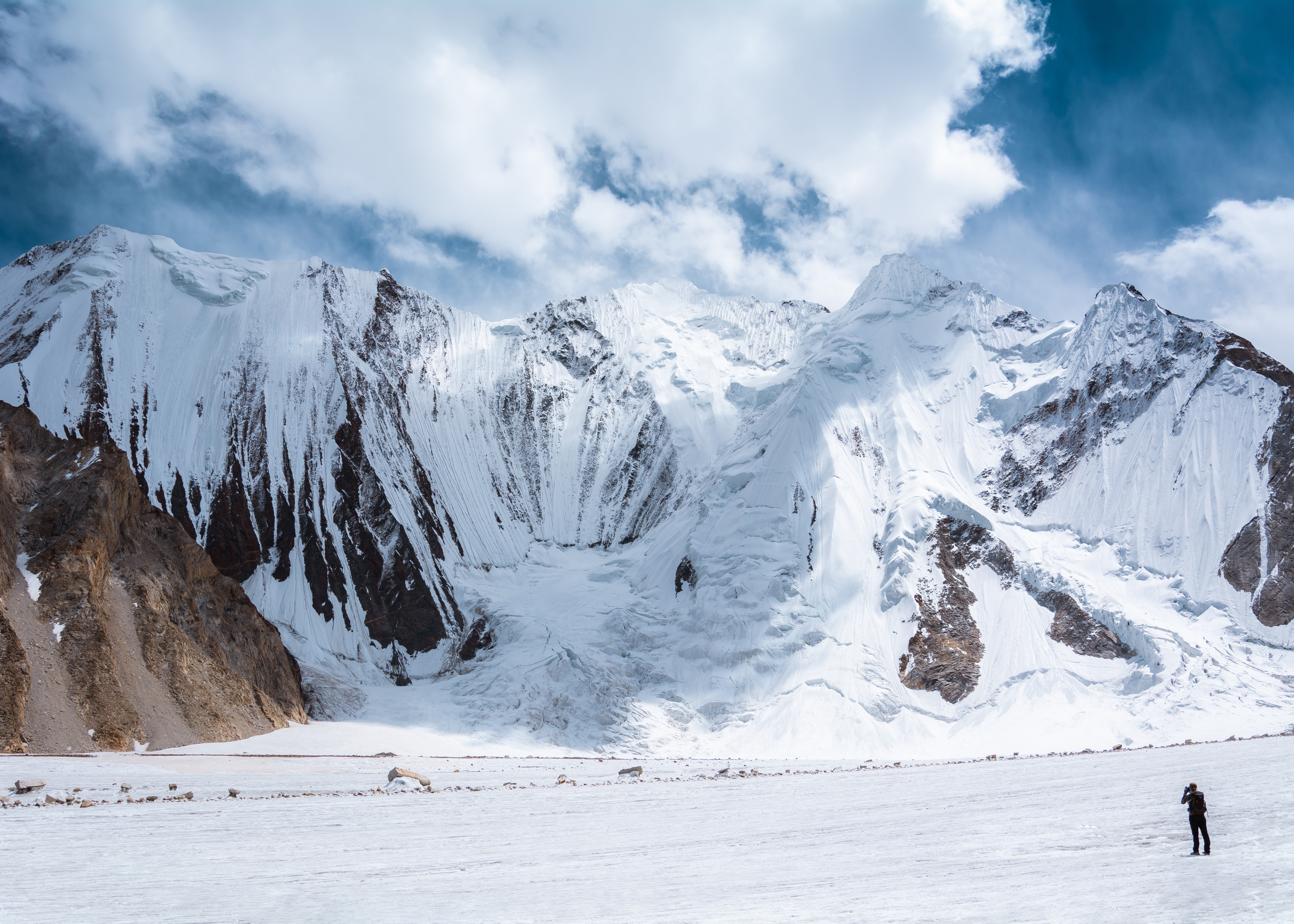
A data-driven overview of Gilgit-Baltistan — Pakistan's northernmost territory — spanning population, geography, and household demographics across its ten districts.
Gilgit-Baltistan (GB) is widely known for its beautiful landscape. However, not many people know about the region's economy. The data on this region is scarce. And the few sources that there are out there are inaccessible to the public.
While collecting data for this article, I really had to dig deep. Even finding a basic number as the annual GDP was not as easy. I had to dig through World Bank reports and research articles to get a sense of data availability. Navigating the government websites was a nightmare. The data was non-existent in most cases, but even in cases where the data was available, it was only available in scanned PDFs.
I had to use a bunch of different tools to extract this data and then visualize it. Use of AI tools like Claude Code was crucial to making this project happen. The intention is to create a repository of data related to GB which can be used for research purposes. I hope to contiue this project and update as new data becomes available. I also intend to add new sections in the future including one for Climate.
Let's start with a quick snapshot of the region,
Total Population
1.71M
Census 2023
GDP
~$2.3 billion
Estimated based on 2021 level
Total Area
72,496
km² across 10 districts
Avg. Density
24/km²
Population per sq. kilometre
Avg. Household Size
7.33
Persons per household
Sex Ratio
109
Males per 100 females
From the 1947 Gilgit Rebellion to the CPEC corridor and recent climate disasters, the region's story spans decades of political transformation, infrastructure development, and natural upheaval.
GB has 10 districts. Each district is unique as the data explorer will show below. For many people, these statistics might come as a surprise because GB is often represented as a single entity. Yet, it is more diverse than is typically perceived.
The region has grown significantly over the last couple of decades. This is largely due to its improved connectivity to the rest of the country. With an estimated population of 1.7 million, it constitutes less than 1% of Pakistan's total population of 240 million. For context, Islamabad, which has an area of just 1.25% of GB, has a population of over 2 million.
The data reveals a territory of stark contrasts: Gilgit city and Diamer host the largest concentrations of people, while Hunza and Kharmang remain sparsely settled despite their geographic scale. The high average household size of 7.33 persons reflects the predominantly rural character of most districts. The sex ratio of 109 — slightly above the national average — is consistent with patterns seen in other mountainous and conservative regions of Pakistan.
Gilgit-Baltistan's economy is characterised by low industrialisation, subsistence agriculture, and an expanding services sector driven largely by tourism. The territory is heavily reliant on federal transfers, though its economic base is gradually diversifying as connectivity and infrastructure improve.
Tourism is the fastest-growing sector in GB's economy. Arrivals climbed from around 53,000 in 2010 to over 1.4 million in 2018, driven by social media exposure, improved road connectivity, and CPEC-linked infrastructure. The COVID-19 pandemic caused a sharp contraction in 2020, reducing foreign arrivals to just over 1,000. Recovery was swift — by 2024, total arrivals approached 1.01 million, with foreign visitors reaching a record 20,490. Hunza, with 175,205 tourists in 2023, is the most-visited district, reflecting its accessibility, scenery, and relatively developed hospitality infrastructure.
The economic footprint of tourism extends beyond headcounts. Tourist spending grew from PKR 3.3 billion in 2010 to a peak of PKR 94 billion in 2018, representing 0.34% of GB's GDP. The post-COVID recovery has been steady, reaching PKR 75.8 billion in 2024.
Agriculture remains the primary livelihood for most of GB's rural population. The territory's terraced valleys — especially in Hunza, Ghizer, and Skardu — produce apricots, cherries, walnuts, apples, and potatoes, much of it for domestic consumption. Only about 2–3% of the total land area is arable, constrained by extreme terrain and glacial cover. Irrigated farming using glacial melt channels is central to agricultural systems across the region.
GB holds an estimated 40,000 MW of exploitable hydropower potential — roughly 43% of Pakistan's total. Yet current installed capacity falls far short of demand. In 2023, total power generation across all ten districts stood at approximately 263 MW against a combined demand of 761 MW, a gap that drives chronic load-shedding and acts as a binding constraint on industrial and economic development. Gilgit district accounts for the largest share of both generation (92.7 MW) and demand (167 MW), reflecting its role as the administrative and commercial centre of the territory.
Gilgit-Baltistan's annual budget of PKR 140.2 billion is primarily financed through federal grant-in-aid, reflecting the territory's continued fiscal dependence on Islamabad. Non-development expenditure accounts for the largest share at PKR 86.6 billion, driven by the federal grant and a structural budget deficit. The development budget of PKR 34.5 billion funds infrastructure and capital projects, while the wheat subsidy of PKR 19.1 billion underscores the state's role in food security for mountain communities.
Non-development spending of PKR 86.6 billion is dominated by employee-related expenses at PKR 47 billion — 54% of the non-development budget — reflecting GB's large public sector workforce. Grants, subsidies, and write-offs account for a further PKR 28.3 billion, primarily driven by federal transfers and deficit financing.
The Annual Development Programme (ADP) allocates PKR 34.5 billion across GB's ten districts for capital projects, infrastructure, and public services. Gilgit and Diamer receive the largest absolute allocations, reflecting their population size and administrative significance. On a per-capita basis, however, smaller districts such as Hunza and Astore fare comparatively better — pointing to geographic and equity considerations in budget distribution.
Data sources: Pakistan Bureau of Statistics — District Census Results 2023; GB Tourism Department; PPIB / AEDB hydropower data; GB Finance Department, Budget 2024–25.
Back to BlogImproving the well-being of rural communities is one of the most important challenges faced by the developing world today.